
Your own personalised stalker
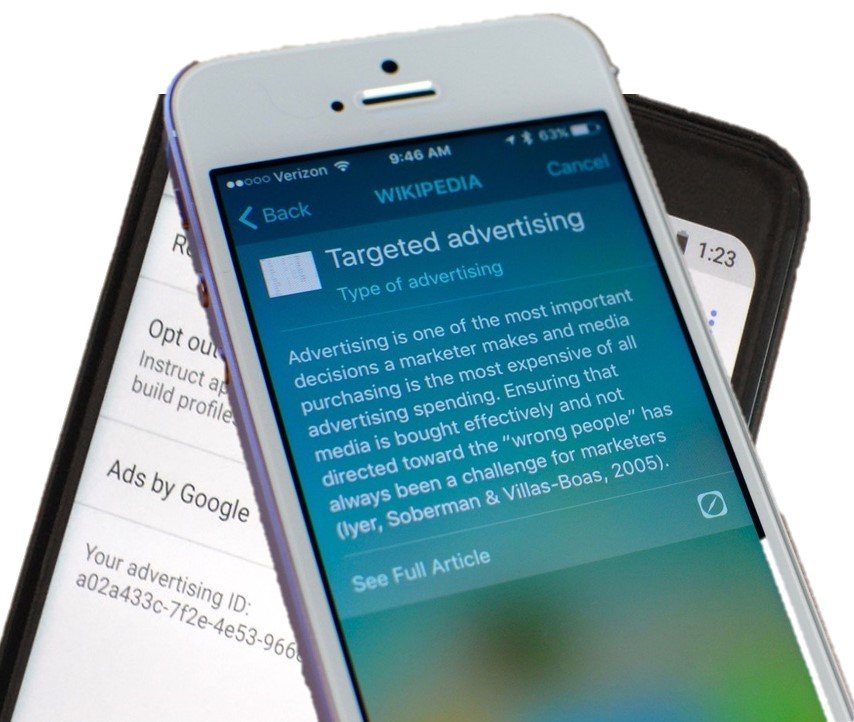
It always seemed slightly creepy that your computer shows advertising that is strangely accurately targeted at things you might have been interested in. On the surface, that seems quite useful. If you have to tolerate ads on your screen, at least having them show things you were interested in seems helpful.
Instead, we wonder how the system knows. It feels like a breach of our privacy.
It all starts when you install an app, and it pops up a question asking for permission to use your location, and/or your camera and/or your microphone.
This is useful for advertisers. For example, they can use your location. If the app reports this back to the content provider, they can match up your location and compare you to other people nearby. If you tend to go to the same places as other people, you are probably interested in the same things, so an advertiser might use that assumption to present advertising to you, or other people that you spend time with.
That does sound a bit overreaching, but we reluctantly agree to the presented terms simply because we want to use the app. If that is a condition of use, and we want to use the app, then we agree.
So, now we are seeing consumers getting the choice to push back.
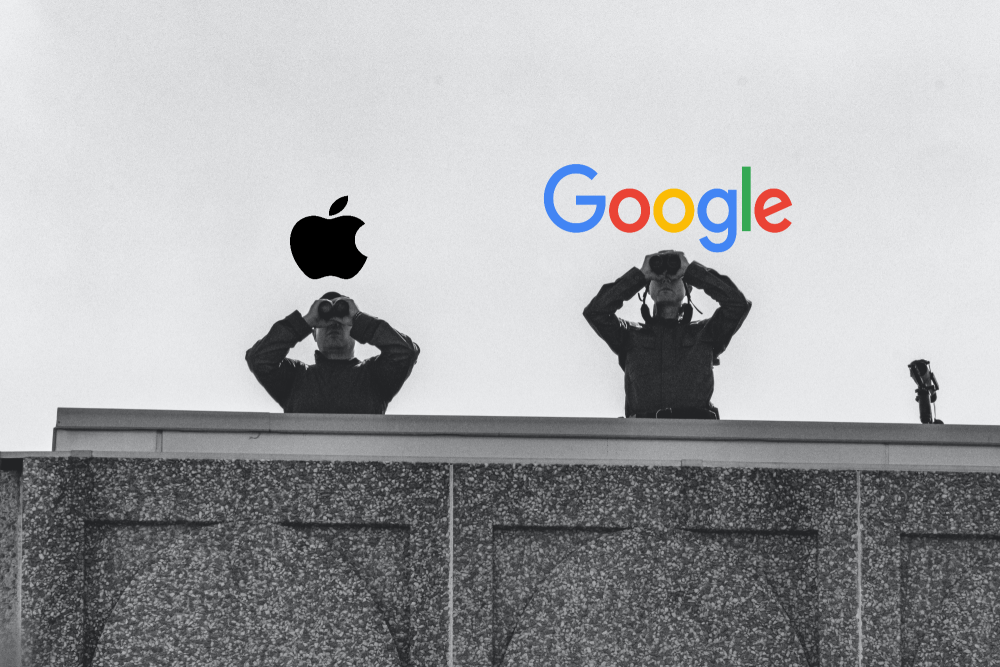
Apple
Now, with iOS15, Apple are saying that you will get to see what apps are accessing your data. You will be able to see when an app used that permission, and there it was sent to. Whether that list of third party sites is any use or not is meaningful is unclear.
Not quite as advanced but following quickly behind is Google Android. With Android 12, you will have the option to de-personalise your data. They will still track usage, but won’t link it back to you.
Is there any truth to the rumour that your phone or TV is listening to you, and presented content based on private conversations it overhears?
Given how poor the voice recognition is on phones , cars, or tools like Alexa or Siri, its pretty evident this can’t be reality. If it, is, then heaven only knows what it thinks it’s hearing. The voice recognition tools are getting better all the time, but there is a long way to go.
Webinar Replay: Unpacking your Microsoft Secure Score
Your Microsoft Secure Score gets talked about a lot. But what does it actually tell you — and what doesn’t it cover? In this 30‑minute, plain‑English webinar, we take a closer look at Microsoft Secure Score and explain how to use it as a practical security roadmap,...
Sent isn’t the same as delivered: when your own emails get blocked
A cautionary tale from inside Kinetics There's an assumption almost every business runs on: if I hit send, the email arrived. It's so deeply ingrained that we usually only question it when a customer says, "I never got that quote." And even then, the first instinct is...
Microsoft Edge Exposes Saved Passwords
Is you browser giving your passwords away? If your team uses Microsoft Edge and saves passwords in the browser, every one of those credentials is sitting in plain, readable text in your computer's memory from the moment Edge launches. A security researcher has...
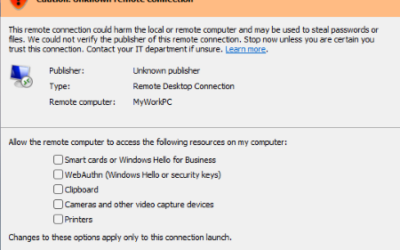
That New Windows Warning About Remote Desktop? Don’t Ignore It.
If you've opened a Remote Desktop connection file today and been greeted by an unfamiliar orange warning banner: "Caution: Unknown remote connection" then you are not imagining things. Microsoft has introduced new protections as part of its April 2026 cumulative...

Webinar Replay: Beyond Antivirus: Understanding MDR and ITDR for Modern Cyber Defence
Your traditional security isn't stopping today's attacks. Here's what will. The Problem Every NZ Business Faces Your business has antivirus software. You have firewalls. You've implemented email filtering. Yet cybercriminals are increasingly successful at bypassing...
When “Legitimate” Tools Are Used Illegitimately (like booking a meeting time)
Cyber awareness isn’t just about blocking malware — it’s about recognising intent. Recently, we received a callout from a client after a user received what initially appeared to be a genuine business opportunity. The email exchange seemed credible, replies were...

Could you get into trouble with the law if you lose a USB stick?
A lost USB stick can be a notifiable privacy breach. Here’s why that matters It sounds old school, but USB sticks are still floating around plenty of NZ businesses. A recent draft decision note from the Office of the Privacy Commissioner is a timely reminder...
Additional M365 Security Protection Rolled Out for our KARE Foundation Customers
Turning up your cyber-security Kinetics is busy rolling out an additional security protection for Kinetics KARE Foundation customers only, designed to stop a highly active and sophisticated phishing campaign currently targeting Microsoft 365 environments worldwide. ...

Your (Home/Small Business) Router Could Be Working for Criminals Right Now
Right now, somewhere in the world, a home or office router is quietly routing cybercriminal traffic, and its owner is completely unaware. That's the reality revealed by the discovery of KadNap, a sophisticated malware campaign that has become one of the most...

When Geopolitical Conflict Becomes Your IT Problem
Lessons from the Stryker Cyberattack A global medical technology company. 56,000 employees. Operations in 60 countries. And in March 2026, systems wiped across every one of them — not because of a data breach or ransomware, but because of a school bombing in Iran....