
October has a habit of producing big moments in computing. This includes an early test of the internet with a two-letter message in 1969. Then in 2001, a music player and an operating system within days of each other. Various Octobers have heralded 3 new versions of Windows.
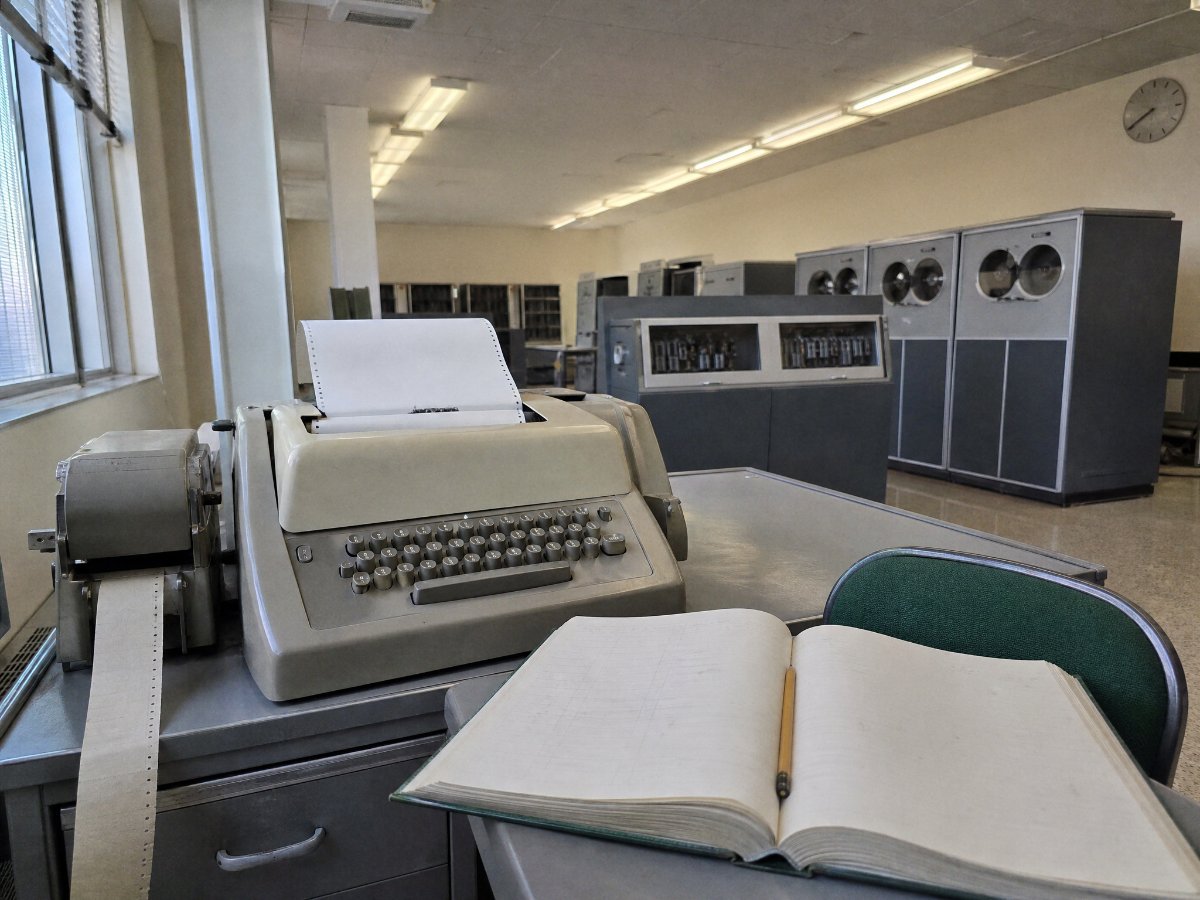
29 October 1969: “lo” Then the “internet” crashed!
At 10:30pm on 29 October 1969, UCLA student programmer Charley Kline, supervised by Professor Leonard Kleinrock, tried to log in to a computer at the Stanford Research Institute over the brand-new ARPANET. On the other end was SRI programmer Bill Duvall.
Kline typed “login”. The “l” arrived. The “o” arrived. Then the SRI machine crashed. As Kleinrock notes on his website, where he keeps a scan of the original UCLA log book entry, the first message ever sent over the network that became the internet was therefore “lo”, as in “lo and behold”. They managed the full login about an hour later.
Something worth noting for anyone who has ever sat through a failed system rollout: the very first test of the internet ended in a crash, and the fix was a parameter change.
23 October 2001: 1,000 songs in your pocket
Apple announced the iPod on 23 October 2001. It had a 5GB hard drive, held up to 1,000 songs and cost US$399. It went on sale on 10 November. Steve Jobs’ line in the press release was “With iPod, listening to music will never be the same again.”
The line that started with that first model, later sold as the iPod Classic, ran for almost thirteen years before Apple discontinued it in September 2014.
25 October 2001: Windows XP
Two days after the iPod, Windows XP went on sale. Microsoft had celebrated its release to manufacturing in August 2001 by sending PC makers off its Redmond campus with copies in briefcases, by helicopter.
XP had a long life. Extended support didn’t end until April 2014, more than twelve years after launch.
22 October 2009: Windows 7
Windows 7 reached general availability on 22 October 2009, about three months after it was released to manufacturing. It sold quickly: more than 100 million copies in roughly six months, which made it Microsoft’s fastest-selling operating system at the time.
It had a long tail too. Extended support ended in January 2020, and businesses on Professional and Enterprise editions could buy Extended Security Updates until January 2023.
5 October 2021: Windows 11
Windows 11 became available on 5 October 2021 as a free upgrade for qualifying Windows 10 PCs. “Qualifying” was the sticking point. Microsoft required TPM 2.0, Secure Boot and a relatively recent processor (eighth-generation Intel Core, AMD Zen+ or newer), which ruled out a large share of existing machines and drew criticism at the time.
Adoption was slow. Windows 11 didn’t overtake Windows 10 in worldwide share until July 2025, almost four years after launch, with much of that shift coming from businesses upgrading ahead of Windows 10’s end of support in October 2025.