People are the weakest link
This sounds like a nightmare too impossible to happen. US soldiers putting sensitive information online in non-secure third party websites. It defies belief, yet we’re reading that it happened. The story popped up on ‘Gizmodo’
It is alleged that US Soldiers were saving sensitive information on a couple of common flashcard sites, presumably of things they were trying to memorise and learn. Even worse, their settings were on ‘public’ not ‘private’
It’s a classic warning about the risk of people, however well intentioned, saving critical data online in places the organisation is unaware of, and can’t control. That’s why our new KARE for Security S2 plan helps identify use of these sites in your organisation.
US Soldiers Accidentally Leaked Nuclear Weapons Secrets: Report (gizmodo.com)
Shadow IT
Shadow IT is one of the largest threats to data privacy in organisations today.
It’s not necessarily because these sites are going to be hacked, although that’s always possible, but just because if you don’t know the tools are in use, then there is no way that you can manage them!
The first step to maintaining this data is to identify it! That’s why you need new tools that are cloud focused. If you’re still using the same old security tools that you used to use prior to the cloud, then you are not keeping up and we need to talk!

Protect Sensitive Information Before It Is Shared, Exposed or Surfaced by AI
Organisations create and store sensitive information every day, including client records, contracts, financial data, employee information, legal advice and commercially confidential material. Protecting this information is no longer only about stopping someone outside...

Webinar Replay: Passkeys Explained: The Simpler, Safer Way to Sign In
Webinar - Passkeys Explained: The Simpler, Safer Way to Sign In Passwords are frustrating, easy to forget, and increasingly vulnerable to cyber attacks. Passkeys are changing that. Join Bill Lunam, CTO, and Garreth Keet, NOC Lead, as they take a closer look at what...

Why Would a Hacker Bother to Target Me?
It's the question we hear most often from small and medium business owners: why would anyone target us? We're not a bank. We don't have millions in the account. Surely we're not worth the effort. Kaspersky's newly released 2026 SMB Threat Report puts some hard numbers...
Webinar Replay: Unpacking your Microsoft Secure Score
Your Microsoft Secure Score gets talked about a lot. But what does it actually tell you — and what doesn’t it cover? In this 30‑minute, plain‑English webinar, we take a closer look at Microsoft Secure Score and explain how to use it as a practical security roadmap,...
Sent isn’t the same as delivered: when your own emails get blocked
A cautionary tale from inside Kinetics There's an assumption almost every business runs on: if I hit send, the email arrived. It's so deeply ingrained that we usually only question it when a customer says, "I never got that quote." And even then, the first instinct is...
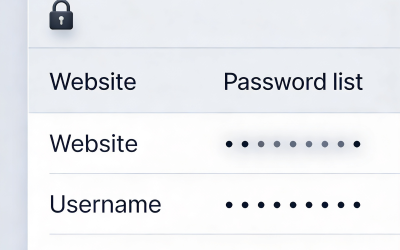
Microsoft Edge Exposes Saved Passwords
Is you browser giving your passwords away? If your team uses Microsoft Edge and saves passwords in the browser, every one of those credentials is sitting in plain, readable text in your computer's memory from the moment Edge launches. A security researcher has...
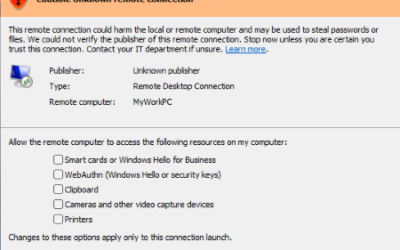
That New Windows Warning About Remote Desktop? Don’t Ignore It.
If you've opened a Remote Desktop connection file today and been greeted by an unfamiliar orange warning banner: "Caution: Unknown remote connection" then you are not imagining things. Microsoft has introduced new protections as part of its April 2026 cumulative...

Webinar Replay: Beyond Antivirus: Understanding MDR and ITDR for Modern Cyber Defence
Your traditional security isn't stopping today's attacks. Here's what will. The Problem Every NZ Business Faces Your business has antivirus software. You have firewalls. You've implemented email filtering. Yet cybercriminals are increasingly successful at bypassing...
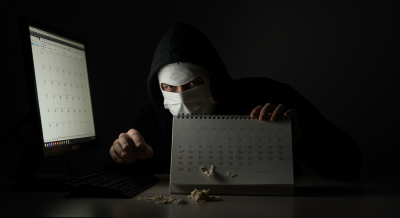
When “Legitimate” Tools Are Used Illegitimately (like booking a meeting time)
Cyber awareness isn’t just about blocking malware — it’s about recognising intent. Recently, we received a callout from a client after a user received what initially appeared to be a genuine business opportunity. The email exchange seemed credible, replies were...

Could you get into trouble with the law if you lose a USB stick?
A lost USB stick can be a notifiable privacy breach. Here’s why that matters It sounds old school, but USB sticks are still floating around plenty of NZ businesses. A recent draft decision note from the Office of the Privacy Commissioner is a timely reminder...